How does cavity wall insulation work?
1. Inspection: Before the insulation is installed, an expert carries out a thorough inspection of the cavity wall. This includes checking whether the cavity is suitable for insulation and identifying any potential obstacles, such as debris or moisture problems. An endoscope may be used to inspect the inside of the cavity.
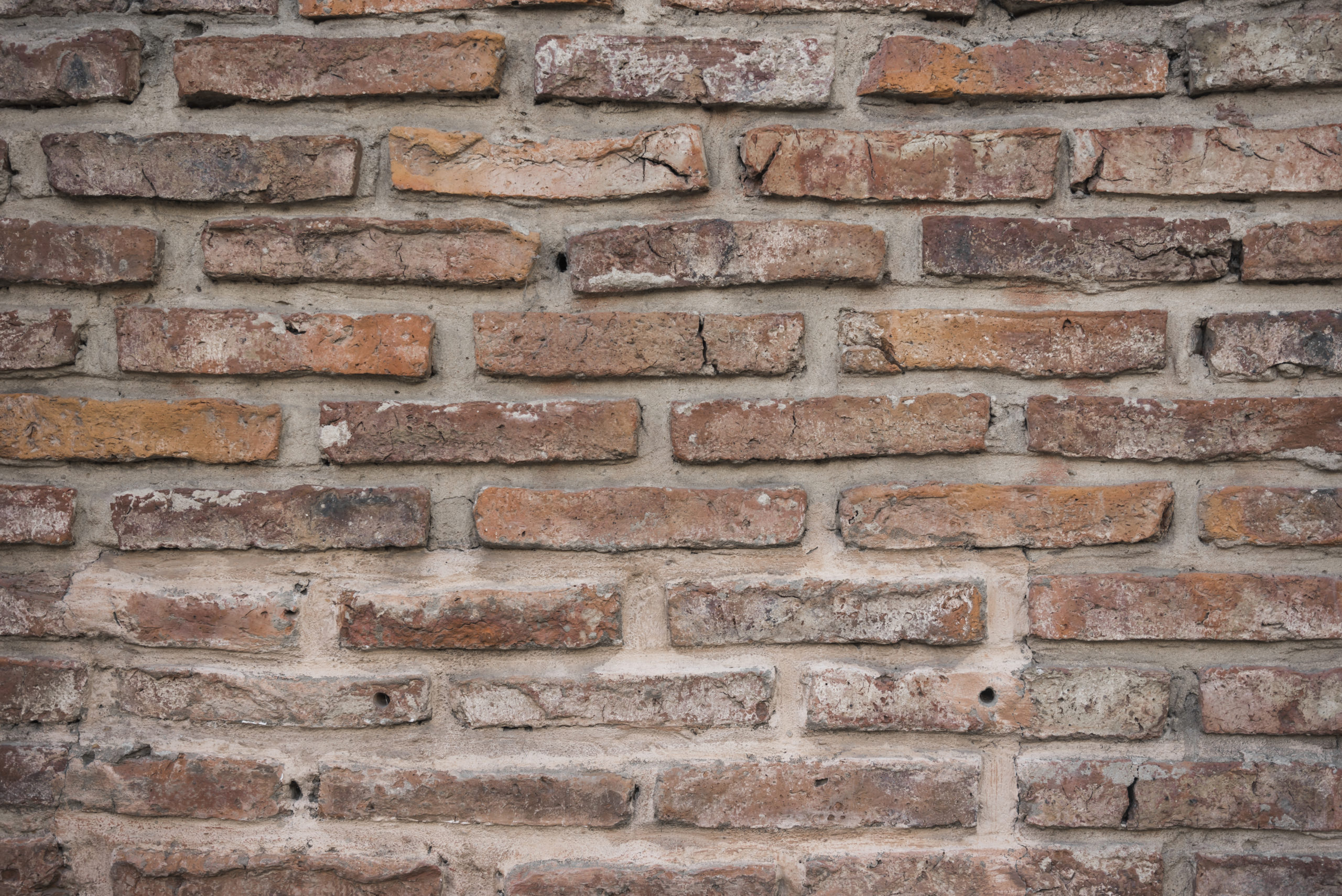
2. Preparation: Small holes are drilled into the mortar joints of the external wall. The diameter of the holes depends on the width of the joints. These holes are drilled in a prescribed pattern and evenly distributed across the wall to ensure that the insulation material can be applied throughout the entire cavity.
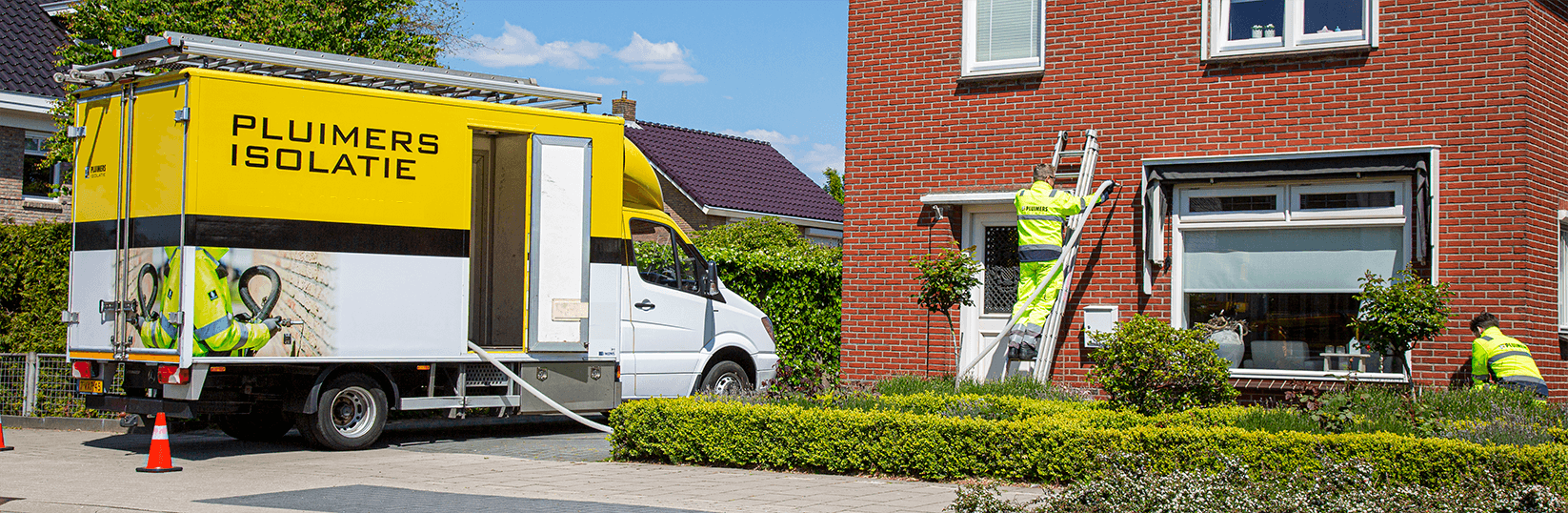
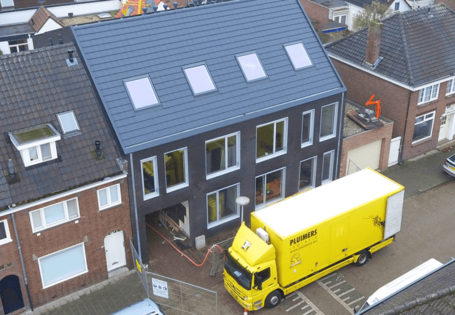
3. Blowing or injecting the insulation material: The insulation material is blown or injected into the cavity through the drilled holes using specialist equipment. Different materials can be used, including polyurethane foam, mineral wool, rock wool or insulation beads. The material is applied under controlled pressure to ensure an even distribution throughout the cavity. This helps fill the entire cavity and minimise air gaps and thermal bridges.
4. Sealing the drill holes: Once the insulation material has been installed, the drill holes are carefully sealed using matching mortar. This restores the appearance of the external wall and helps prevent moisture and dirt from entering.
5. Final inspection: A final inspection is carried out to confirm that the insulation has been installed correctly. This includes checking that the cavity has been properly filled and that all drill holes have been securely sealed.
Benefits of cavity wall insulation:
Energy savings: Insulation helps retain heat during winter, reducing your energy bills. In summer, your air conditioning may also need to work less hard.
Improved comfort: An insulated home feels warmer in winter and cooler in summer.
Environmentally friendly: Lower energy consumption means reduced CO2 emissions, contributing to a more sustainable future.
Property value: Well-insulated homes often have a higher market value.
Cavity wall insulation is a smart investment for homeowners looking to reduce their energy bills and improve living comfort. By choosing the right insulation material and having it professionally installed, you can enjoy a warmer, more energy-efficient and sustainable home.
For more information or to arrange a free consultation, please contact Pluimers Insulation. We’ll be happy to help you make your home more energy efficient.



 alt=""/>