Grant available for insulation?
Find out instantly whether your property may be eligible for an insulation grant.



Cavity wall insulation is one of the easiest ways to start saving on your energy bills straight away. You’ll notice the difference immediately with a warmer, more comfortable home. Want to know whether cavity wall insulation is suitable for your property? We have the answer.
 alt=""/>
Find out instantly whether your property may be eligible for an insulation grant.
In this video, we explain the cavity wall insulation process step by step:
Do you have a question or would you like to schedule a free, no-obligation consultation? You can contact us by phone or book an appointment using the consultation button.
Cavity wall insulation is a way of insulating the space between the inner and outer walls of your home. This cavity is designed to prevent moisture from penetrating the building from outside. By filling this space with insulation material, the thermal envelope of the property is significantly improved. Cavity wall insulation helps reduce heat loss during the winter while keeping excessive heat out in the summer. Filling a cavity wall is a simple and cost-effective way to improve comfort and reduce energy consumption. Click here to learn more about how cavity wall insulation works.
Cavity wall insulation is suitable for most homes and offers a wide range of benefits, including:
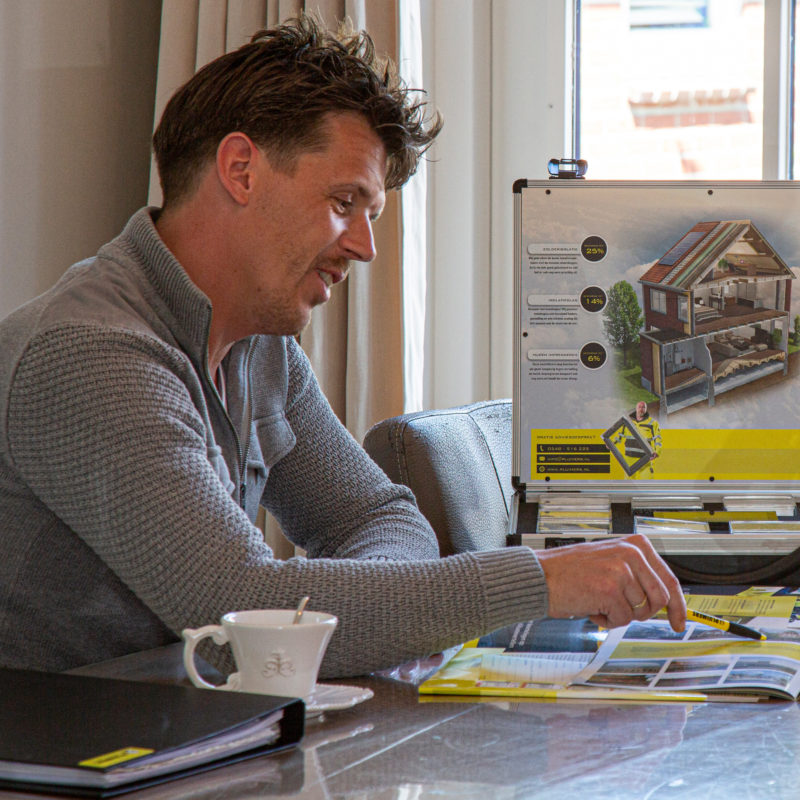
Before any work begins, one of our specialists will visit your property for a free, no-obligation consultation and provide a clear overview of the expected costs. The price of cavity wall insulation depends on several factors, including the width of the cavity, the size of the property, accessibility and the type of insulation material used. In most cases, the investment pays for itself within just a few years through lower energy bills.
Various grants and funding schemes may be available to help reduce the cost of cavity wall insulation. These can include national government schemes as well as regional or local initiatives. Pluimers Insulation can advise you on the available options and help you understand which schemes may apply to your project.
At Pluimers Insulation, we use a range of insulation materials. The most suitable product is selected based on the cavity width, the accessibility of the exterior walls and the construction of the building. Each product has its own specific properties:
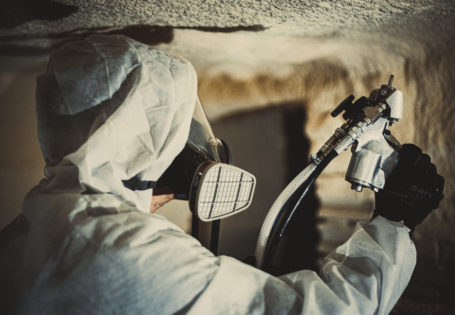
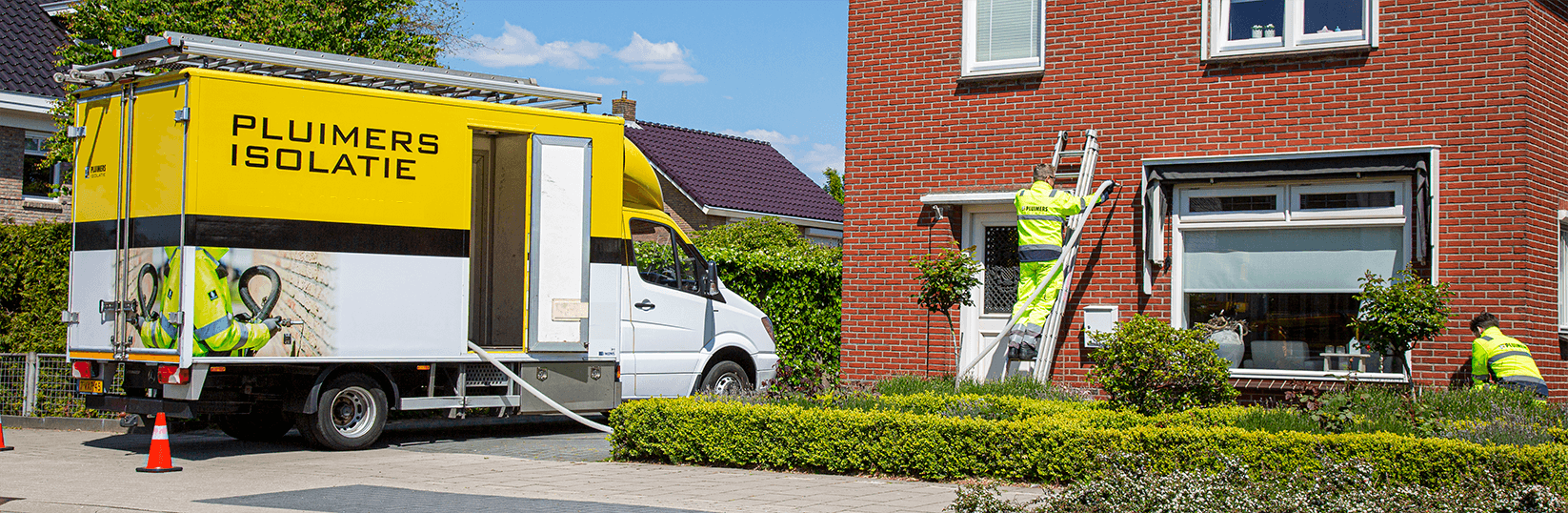
Cavity wall insulation is installed by injecting or blowing insulation material into the cavity between the inner and outer walls. Before installation, an inspection is carried out to measure the cavity width and determine whether the wall is suitable for insulation. Once approved, small holes are drilled into the mortar joints at regular intervals.
The holes are drilled in a specific pattern before the insulation material is injected or blown into the cavity. Once the cavity has been completely filled, the holes are carefully sealed again.
During the inspection, the ventilation of the crawl space is also assessed. Installing cavity wall insulation can affect the existing airflow to the crawl space, so ventilation grilles are fitted during installation to ensure the crawl space remains properly ventilated.
Installing cavity wall insulation is a relatively quick process. For an average family home, the work usually takes anywhere from a few hours to one day, depending on the size of the property and the complexity of the installation.
Whether your home is suitable for cavity wall insulation depends on several factors. First, the cavity wall must have sufficient space to accommodate the insulation material. Homes built after around 1920 often have cavity walls, making cavity wall insulation, the removal of old cavity wall insulation or upgrading existing insulation relatively straightforward.
A specialist can assess whether your home is suitable for cavity wall insulation. If your property does not have cavity walls, there are still alternative insulation solutions available, such as internal wall insulation or external wall insulation.
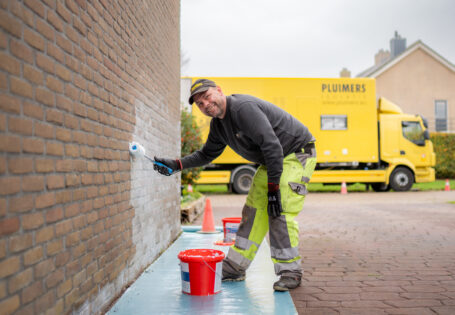
Homes built after 1995 generally already have higher levels of insulation. For these properties, other energy efficiency improvements or exterior wall maintenance may be more beneficial. For example, waterproofing exterior walls helps protect brickwork and mortar from moisture damage, extending the lifespan of the façade, reducing maintenance costs and helping preserve the value of the property.
Cavity wall insulation is a sustainable and cost-effective way to reduce energy consumption while improving the comfort of your home. Its lifespan depends on the quality of the insulation material used and whether it has been installed correctly by experienced professionals.
Insulating your cavity walls is a job best left to an experienced insulation specialist. Our experts have many years of experience insulating homes, installing floor insulation and roof insulation, using only high-quality insulation materials.
Before any work begins, we will visit your property for a free, no-obligation consultation. Alternatively, you are welcome to contact our customer service team, who will be happy to answer any questions you may have.
This page was last updated on 5 March 2026. We make every effort to ensure the information on this page is accurate and up to date. If you notice anything that is incorrect, please let us know. No rights can be derived from the content of this page.
Would you like to enjoy greater comfort and lower energy bills, but your home doesn’t have cavity walls? No problem – we also offer external wall insulation. And if your cavity walls require additional structural support, we can reinforce them with cavity wall ties.
Request your free consultation and quote today!
Call us directly or request your free quote online using the "free quote" button.
Our insulation advisor will be happy to visit you for a free, no-obligation consultation.
Yes, I'd like a free consultation!