Suitable materials for insulating existing cavity walls
For insulating cavity walls in existing homes, several materials are commonly used:
- PUR foam: This material is injected into the cavity in liquid form, where it expands to fill the entire space. It provides excellent thermal insulation and is particularly suitable for narrower or hard-to-reach cavities.
- EPS beads: These small expanded polystyrene beads are blown into the cavity together with a bonding agent, creating a highly effective insulating layer. EPS beads are water-repellent and breathable, helping to reduce the risk of moisture problems. For the best results, all gaps, joints and openings should be properly sealed before installation.
- Mineral wool: This fibrous insulation material is blown into the cavity and provides excellent thermal and acoustic insulation. It is fire-resistant and durable but requires a cavity of sufficient width.
What should you consider when choosing cavity wall insulation?
Not every insulation material is suitable for every property. The best choice depends on several factors, including:
- The width of the cavity.
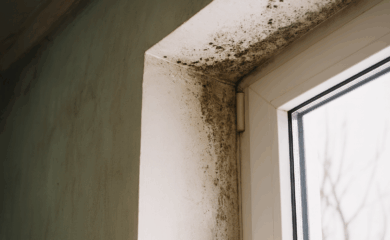
- The condition of the external walls (free from cracks or moisture issues).
- The level of insulation performance you want to achieve.
- Your budget.
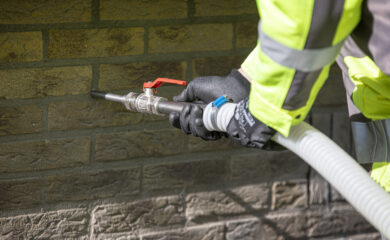
When you choose Pluimers Insulation, we begin with a thorough inspection, including an endoscopic cavity wall survey, to determine which insulation material is best suited to your property. In most cases, we use an injection technique, where insulation is installed through small drilled holes in the exterior wall.
What are the options for insulating cavity walls in existing homes?
There are generally two options:
- Installing cavity wall insulation for the first time: Ideal if your home has never been insulated. The benefits are noticeable immediately, including reduced draughts, lower energy bills and improved living comfort.
- Retrofitting an already insulated cavity wall: If your home was built during the 1970s or 1980s, there’s a good chance the cavity wall already contains insulation. However, older insulation may have deteriorated or settled over time. Modern materials such as PUR foam can significantly improve its performance.
How much does cavity wall insulation cost?
The cost depends on the insulation material used and how accessible the cavity wall is. We’d be happy to provide you with a tailored quotation. Contact us for a free consultation to find out how we can help improve your home’s insulation.